

Opus 4.5 Is a Breakthrough for Developers
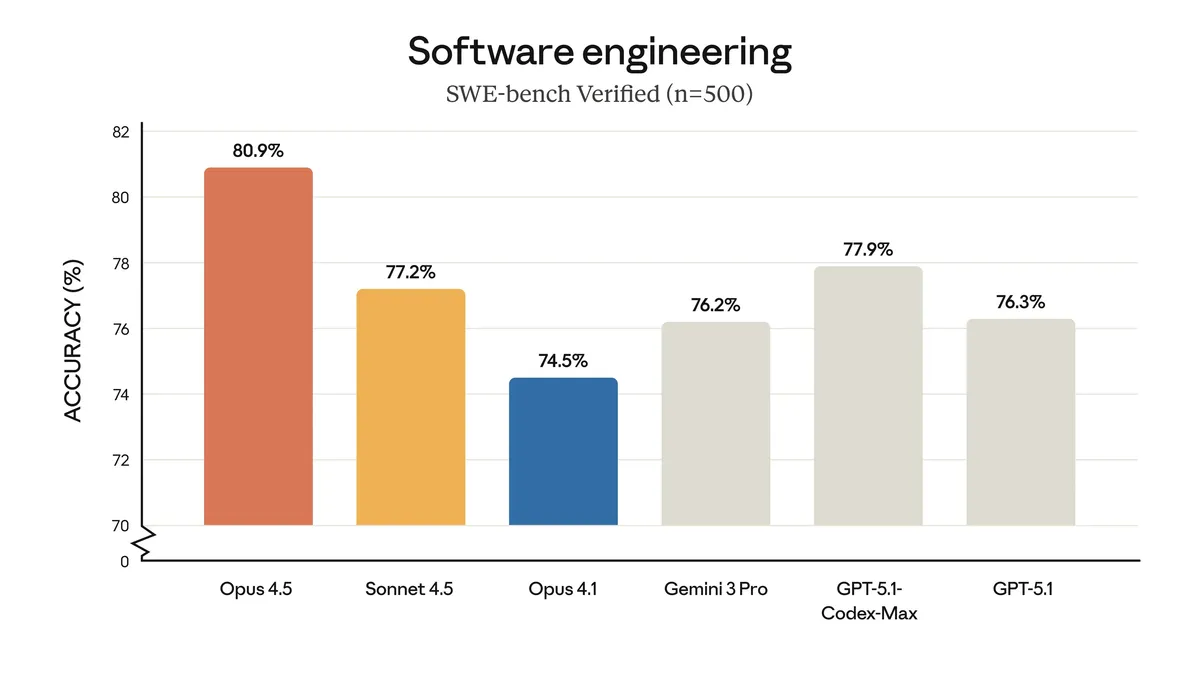
Opus 4.5 is one of the most impactful upgrades in recent AI releases. It improves reasoning, handles tools with higher reliability, and works significantly faster than the previous version. The most surprising part is the pricing. According to its official announcement, Opus 4.5 is priced at $5 per million input tokens and $25 per million output tokens. That is about three times cheaper than Claude Opus 4.1, which had list prices around $15 input / $75 output.
Because of that drop, a top-tier model becomes affordable even for solo developers or small teams running frequent coding and agent workloads. [Anthropic]
Why Opus 4.5 Stands Out
Improved reasoning and accuracy
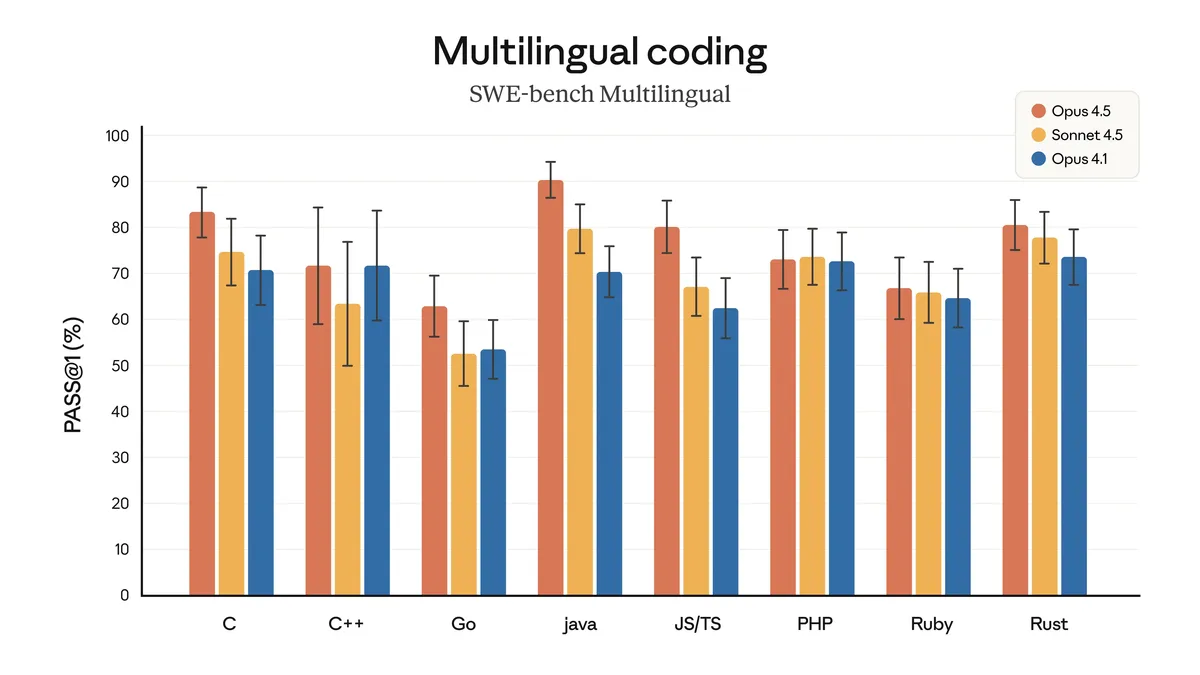
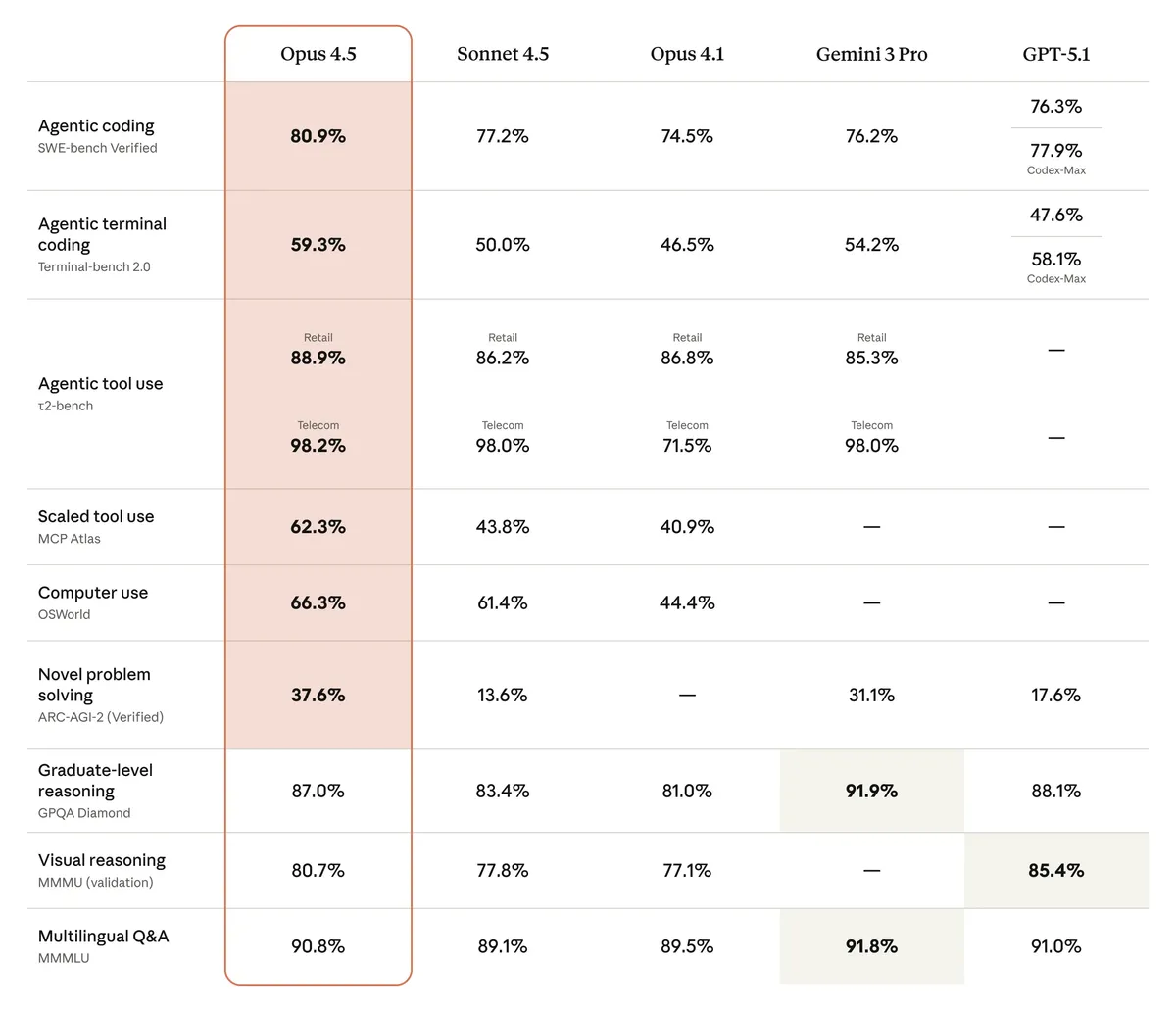
Opus 4.5 handles multi-step logic, complex prompts, and long tasks noticeably better than previous generations. It maintains structure, clarity, and consistency even for larger prompts.
Better tool handling
If you use it inside agent frameworks or tool-driven workflows, Opus 4.5 demonstrates improved reliability when executing tool calls and respecting schemas. This significantly reduces unexpected behavior when automating tasks or building AI-driven backends.
Faster and more stable
Response latency and stability under load are improved, making it more suitable for interactive use, rapid prototyping, and development workflows.
Much more affordable , compared to other models
Here is a quick pricing comparison per 1 million tokens:
| Model / Variant | Input ($ / 1M tokens) | Output ($ / 1M tokens) |
|---|---|---|
| Claude Opus 4.5 | 5 | 25 |
| Claude Opus 4.1 | 15 | 75 |
| Claude Sonnet 4.5 | 3 | 15 |
This means:
- Switching from Opus 4.1 to Opus 4.5 reduces the input cost by ~67% and output cost by ~67%. [Anthropic]
- Even compared to Sonnet 4.5, which is cheaper overall, Opus 4.5 offers a significant advantage in reasoning power, context handling, and tool-use reliability , making the slightly higher cost acceptable for heavy workflows.
Because of this, Opus 4.5 becomes a realistic daily driver for developers. What used to be an “enterprise-only model” is now affordable for freelancers, small teams, startups, or bespoke tools created internally.
How to Get the Most Out of Opus 4.5
Use structured prompts
Opus performs best when you use clear format: headings, bullets or steps, constraints, and expected output sections.
Assign a role before the task
Adding a role statement (e.g. “You are a senior backend engineer …”) helps keep reasoning consistent and output relevant.
Split complex tasks into phases
For large tasks, breaking them into: plan → review → output helps avoid misunderstandings and improves reliability.
Define tool schemas in agents
When calling APIs or custom tools, provide strict schemas. Opus 4.5 respects schemas and produces clean, predictable calls.
Cache repeated context or system prompts
For repeated commands or fixed instruction sets, use caching to reduce token usage and overall cost.
Final Thoughts
Opus 4.5 hits a rare sweet spot: state-of-the-art reasoning, reliable tool support, strong context handling , and a dramatically lower price than previous flagship models.
For developers who code daily, build agents, or automate internal tools, this is arguably the most practical frontier AI model available today.
Affordable enough for everyday use. Powerful enough for serious work.