
The Golden Days of AI-Assisted Development
When Cursor first launched their AI coding assistant, the pricing model was refreshingly simple: $0.04 per agent run. No complex token calculations, no spreadsheet needed to predict your monthly bill. For $20-40 per month, you could code with the latest Claude Sonnet as your daily driver, letting the AI handle everything from boilerplate generation to complex refactoring.
It felt like the future had arrived, and it was surprisingly affordable.
The Slow Creep Toward Chaos
Then came the pivot to token-based pricing. At first, it wasn't alarming. Cursor still provided generous free usage tiers that kept most developers comfortable. The change seemed like a reasonable evolution.
But last month, everything spiraled out of control.
I was in full coding mode, running both Sonnet 4.5 and the new Opus 4.5. Opus was priced the same as Sonnet for the first two weeks. So naturally, I used Opus for everything.
When I opened my billing dashboard at month's end, I nearly fell off my chair.
$830 USD. For Cursor alone. In a single month.
Combined with my other AI subscriptions, I had crossed the $1,000 threshold for AI tools. That's not a development budget. That's a second rent payment.
The Screenshot That Changed Everything
Here's what my November invoices actually looked like:

Almost every few days, another triple-digit charge. The token-based pricing had turned my productive workflow into a financial liability.
Reconsidering Claude Code
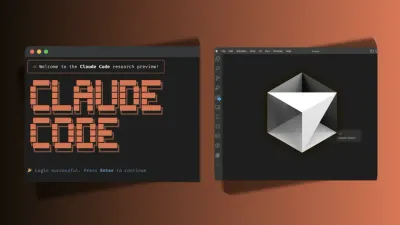
I had tried Claude Code before and dismissed it. The terminal flickered annoyingly. Responses felt slower than the IDE-integrated experience. It just didn't match the polish of Cursor's interface.
But with $830 invoices staring me in the face, I decided to give it another serious look.
What I discovered changed my entire approach to AI-assisted development.
The $80 Revelation
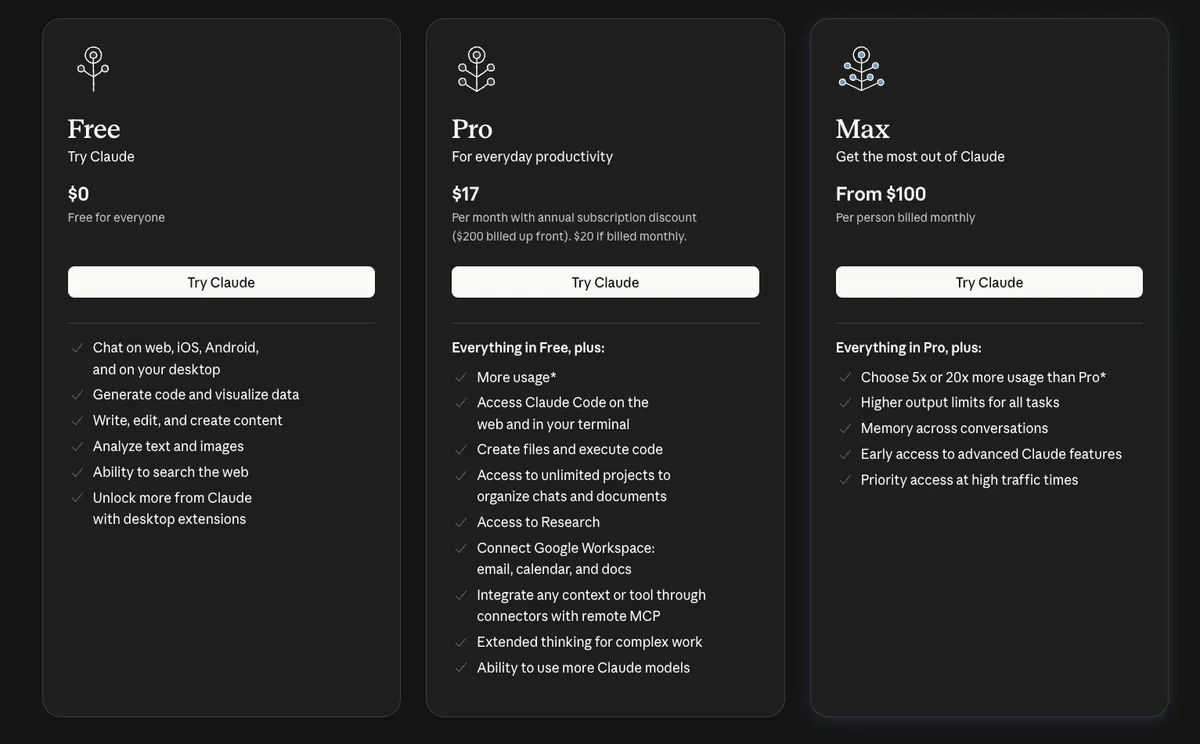
Claude's Max subscription at $80/month includes generous usage of Opus, Anthropic's most capable model.I decided to give it a real test and used it for a full week of intensive coding.
With that single $80 subscription, I could run 1-2 concurrent agents on Opus for an entire work week.
Let that sink in. The same workload that cost me $830 on Cursor was achievable for $80 on Claude Code. That's not a small optimization. That's a 10x reduction in costs.
Then I Discovered Sub-Agents
Just when I thought Claude Code couldn't get better, I discovered sub-agents. They allow Claude Code to spawn specialized helpers for complex tasks, parallelizing work that would otherwise require sequential attention.
The real game-changer: when you delegate work to sub-agents, your main agent's context window stays clean. All the heavy lifting happens in separate contexts, so you can work on far more complex tasks without hitting that frustrating point where you need to start a fresh conversation.
Sub-agents transform Claude Code from a single-threaded assistant into an orchestrated development team.
The $200 Sweet Spot
The sub-agent discovery convinced me to upgrade to the $200 Max tier. Here's my reasoning:
At $200/month, I now have enough capacity to:
- Run my professional development work at full speed
- Tackle hobby projects without watching the usage meter
- Use Opus on any sub-agent
- Never worry about mid-month throttling
Compare this to Cursor: $200 would have covered roughly 6 days of my November usage pattern.
The Decision That Made It Easy
Two changes from Anthropic pushed me over the edge.
First, they removed the separate usage limits on Opus. Previously, you had to carefully manage which queries went to which model. Now, with unified limits, I can default to Opus for everything without playing model-selection games.
Second, and this is huge: Anthropic reduced the cost of Opus by 3x. The most capable model suddenly became much more accessible. You can read more about this game-changing update in our other blog post: Opus 4.5 Is Here and It Changes Everything for Developers.
These might seem like small changes, but together they eliminate cognitive overhead. I'm not constantly asking myself "Is this query complex enough for Opus?" I just code.
What I Lost (And What I Gained)
I'll be honest about the tradeoffs.
What I miss from Cursor:
- Seamless IDE integration (cursor positioning, inline suggestions)
- The polished GUI experience
- Slightly faster perceived response times
What I gained with Claude Code:
- 10x cost reduction
- Sub-agent orchestration
- Unlimited Opus access within my tier
- Terminal-based workflow that integrates with my existing tools
- No more invoice anxiety
The terminal flickering? I won't sugarcoat it. It's still a real issue and can get annoying during long sessions.
Quick tip for Mac users: ditch the fancy terminals and use simple bash. It helps significantly.
Practical Tips for Making the Switch
If you're considering a similar move, here's what helped me:
Start with the $80 tier. Track your actual usage for a week before upgrading. You might find it's enough.
Learn the keyboard shortcuts. Claude Code's terminal interface becomes fast once you internalize the commands.
Embrace sub-agents early. Don't just use Claude Code as a chat interface. Leverage its orchestration capabilities for complex tasks.
Set up your system prompt. Unlike Cursor's implicit context, Claude Code benefits from explicit project context in your configuration.
Use concurrent sessions strategically. Running parallel agents on different aspects of a problem (frontend/backend, research/implementation) maximizes your subscription value.
The Bottom Line
AI-assisted development is transformative. But transformation shouldn't require a four-figure monthly commitment.
Moving from Cursor to Claude Code reduced my AI costs from $830 to under $200 while maintaining (and in some ways improving) my development velocity. The sub-agent capabilities and unified Opus access mean I'm actually more productive than before.
If your Cursor invoices are starting to look like mine did, it's time to reconsider your tooling. The terminal might flicker occasionally, but your bank account will thank you.